Our Approach ~ Real Dogs, Thoughtfully Bred.
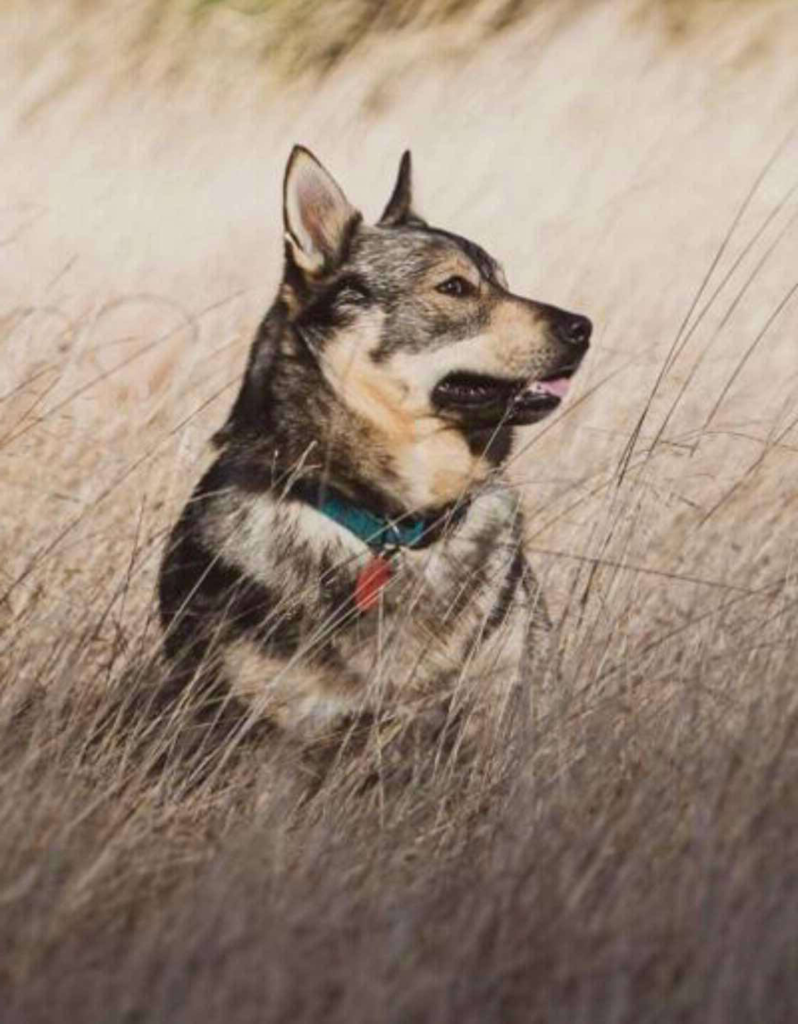
At Barahwolfe, our approach to breeding is simple in principle, but considered in practice. We breed Swedish Vallhunds to be part of real life—dogs that live in homes, not just on paper or for display. Temperament, soundness, and long-term wellbeing come FIRST- everything else follows. Our puppies are whelped (born) inside and raised in a farm house in rural Otago. We understand puppy development and make sure all their needs (and the needs of their Mama) are well me; Gentle hands, stimulating environment, nutritious first foods, routines, and clean nest and play areas. We abide by the Kennel Club codes and Animal Welfare laws and we have excellent Vets on speed dial.
TEMPERAMENT FIRST.
A Vallhund should be steady, stable, alert, confident and intelligent – most of all easy to live with. Our focus is on dogs that:
- bond closely with their people settle well into family life.
- easy to train.
- are intelligent and responsive.
- are enjoyable to live with day to day.
- are physically sound and look great
A practical approach to health
Health matters deeply to us, and we approach this aspect for our dogs and for the breed with pragmatic common sense, balance and context. Swedish Vallhunds are generally a healthy, robust breed. However like ALL pedigree breeds Swedish Vallhunds face some challenges, the important detail is inside the scope and severity of those issues.
We stay up-to-date, monitor patterns across generations, and make decisions based real-world outcomes – not theory alone.
Testing for problems
Some testing can provide useful information, but many results represent a moment in time, or predict risk rather than provide certainty. For this reason we do not rely on testing alone. Our approach is summed up through:
- long-term knowledge of our own lines.
- observation across generations.
- experience of real-world soundness and longevity,
- inclusion of Veterinary opinion.
- consider only facts and not speculation.
- (NEW ) incorporate A.I. assisted pedigree analysis
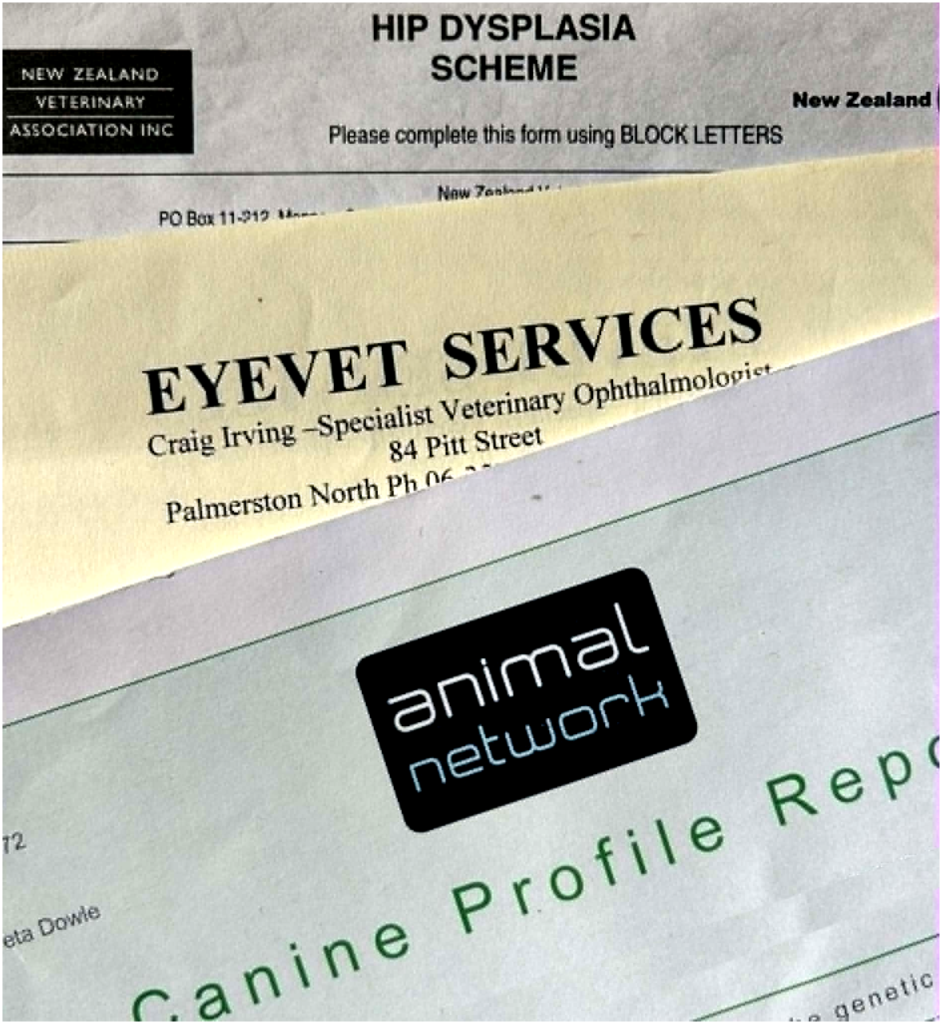
Hip Dysplasia (HD):
Is a condition involving abnormal development of the hip joint and is a significant issue in many larger, heavier breeds. In Swedish Vallhunds it is very uncommon. Their lighter body weight and over their lifetime places less long-term stress on joints. Within our own bloodlines, we are personally familiar with dogs across four to five back generations, and to the best of our knowledge, none have been affected by congenital hip dysplasia. We continue to monitor for soundness across generations.
IN OUR EXPERIENCE & OPINION THE RISK OF HD IN THE DOGS WE BREED IS: VERY LOW.
Eye Health (SV Retinopathy / PRA):
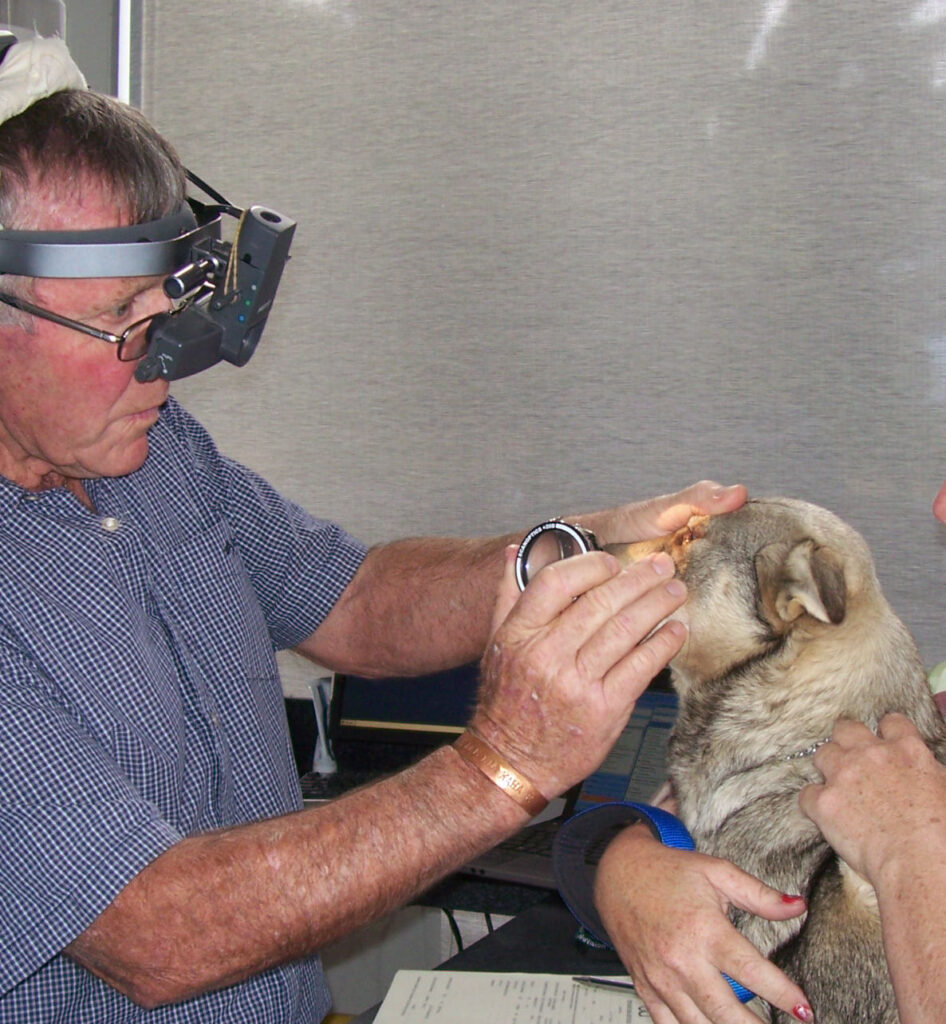
Swedish Vallhunds may show retinal (back of the eye) changes often referred to as SV retinopathy or P.R.A. In Swedish Vallhunds these changes do not typically follow the same pattern/progression seen in other breeds of certain vision loss. Blindness is Swedish Vallhunds is rare and in 23 years I have never met a single case – at any age. Eye examinations can be useful but only in a limited way. Eye exams as related to SVPRA don’t predict long-term outcomes but are a snapshot or record of a moment in time. A secondary DNA test for the same condition does not detect disease genes (not yet discovered), but instead identify if a dog is positive or negative for ‘risk marker’ genes. Dogs with risk markers typically still have good vision through their whole life.
IN OUR EXPERIENCE & OPINION THE RISK OF BLINDNESS IN THE DOGS WE BREED IS: VERY LOW.
Allergies:
Any dog of any breed can develop allergies. When it occurs in Swedish Vallhunds it’s mostly seen as itchy paws or itchy skin. It’s a treatable condition. Presently there is no clear evidence that Swedish Vallhunds are being affected by allergies at rates above the general dog population of all breeds and mixed breeds, but we monitor and pay attention to this.
IN OUR EXPERIENCE & OPINION THE RISK OF ALLERGIES IN THE DOGS WE BREED IS: LOW.
Paroxysmal Dyskinesia (CECS):
A small number of Swedish Vallhunds (worldwide) have been observed as having a movement disorder known as paroxysmal dyskinesia (CECS). This condition affects multple dog breeds and is not specific to Swedish Vallhunds alone. Affected dogs experience transient, short-duration episodes of cramping muscles/loss of balance. Episodes can appear concerning and vary in frequency. CECS is not epilepsy and the episodes are not seizures. Many affected dogs with CECS live otherwise normal lives with normal life expectancy.
At this stage:
- the mode of inheritance is not fully understood
- there is no definitive genetic test available
- research studies are actively underway to find the genes
Increased awareness of this condition —particularly through social media—can sometimes make the issue appear more widespread than it is.
Until there is a dna test for CECS we take a measured approach to limiting risk by:
- staying informed on developments.
- tracking patterns within bloodlines.
- making careful breeding decisions.
- stick to facts and what is known.
IN OUR EXPERIENCE & OPINION THE RISK OF CECS IN THE DOGS WE BREED IS: LOW.
Looking forward
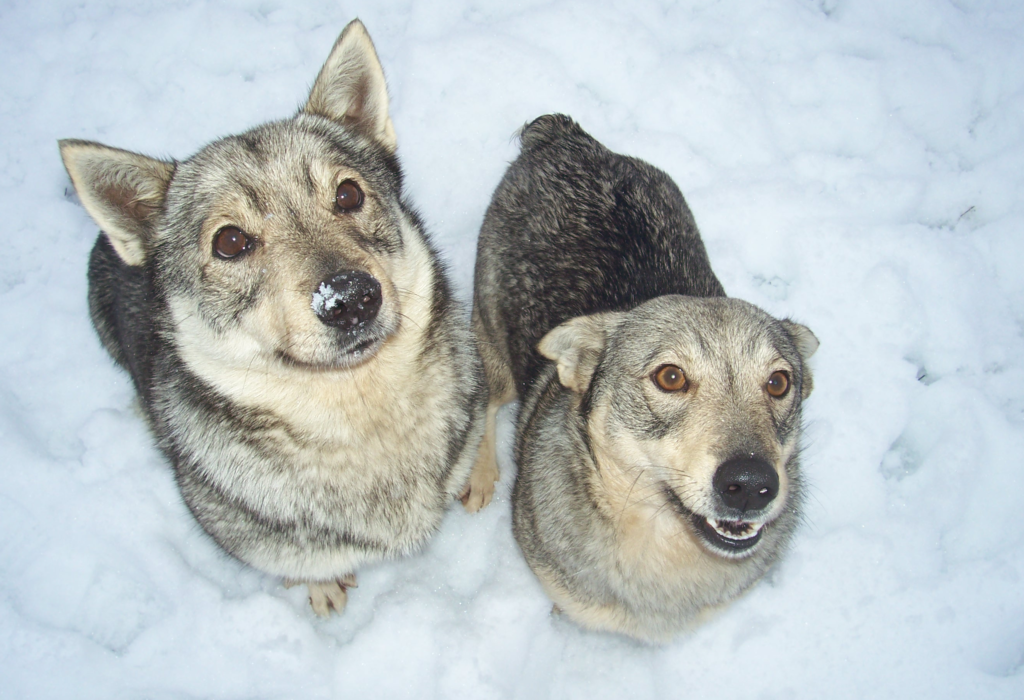
Breeding today is not just about tradition—it also means adapting as new tools become available. We have just started using advanced pedigree analysis, including early-stage artificial intelligence tools, to better understand patterns within bloodlines and support more informed pairing decisions. We have also imported/exported dogs and frozen semen to Australia, Finland and the USA over 23 years, to collaborate with like minded breeders. If you want more questions and would like to understand further we welcome discussions with people researching the breed.
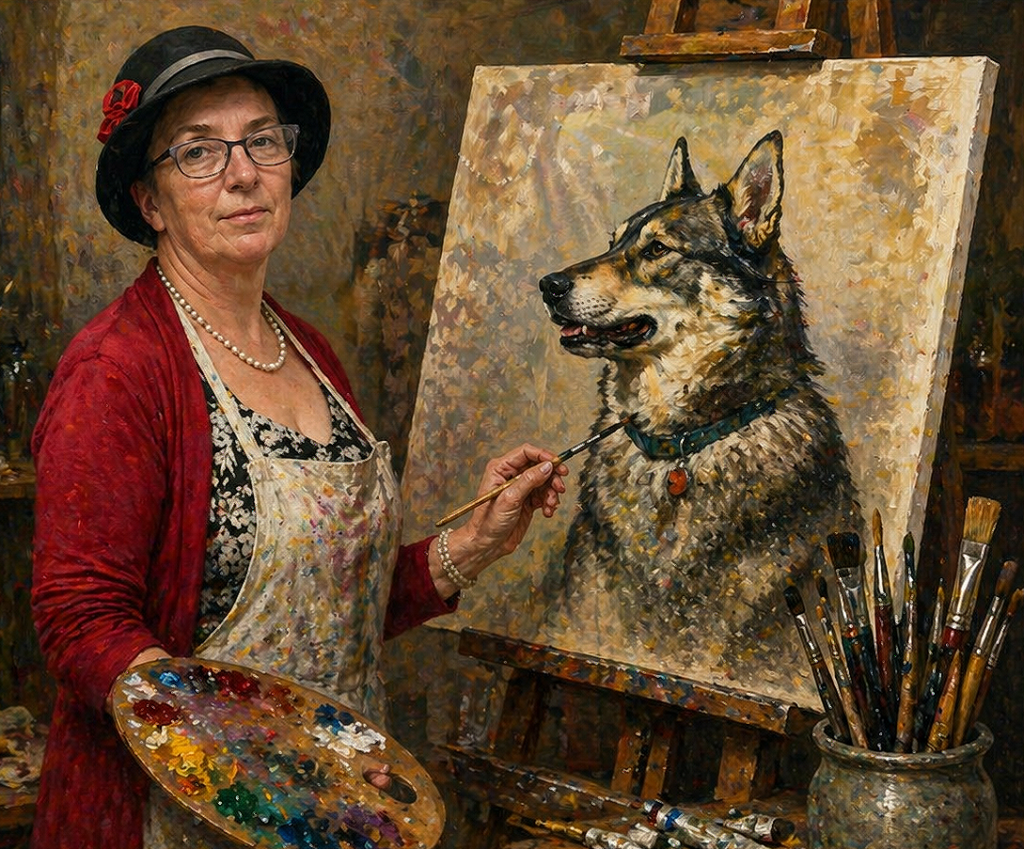
Breeding by numbers alone is a little like painting by numbers— sure you will get a picture.
But creating a truly great dog, like creating a masterpiece, is both an art and a science.